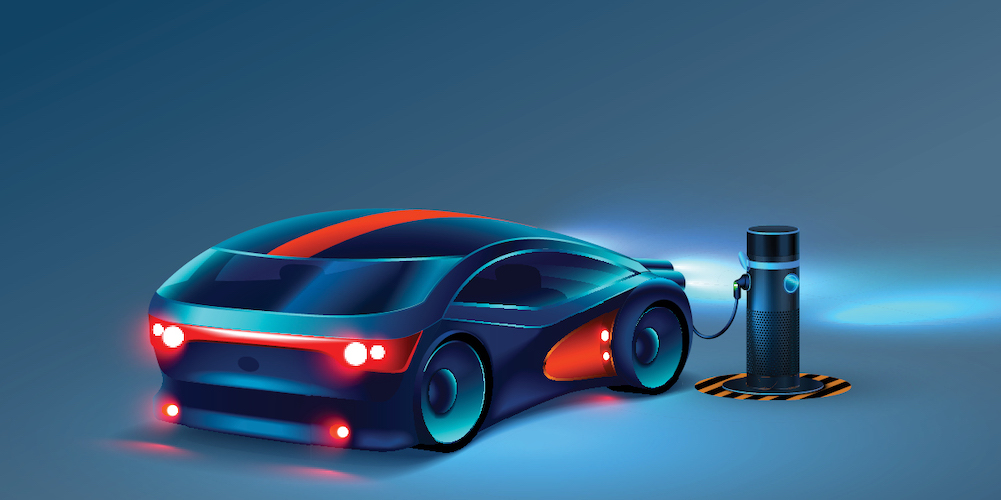
These recent innovations aim at reducing air pollution and the rate of ozone depletion to save mankind.
Of late, the automotive industry is experiencing the biggest sudden change. This has seen the
traditional patterns bursting as the digital revolution leads to innovation of new hardware and
software with new architecture of the vehicles.
Looking back to when the car was first invented in 1886 by a German Carl Benz, in comparison with the various modifications on the same by several engineers and automotive enthusiasts such as Ford Motor Company, Toyota and now Tesla and Kiira Motors. This gives us an insight that indeed there are very many more types and examples of automotives which have not yet been produced but are yet to be.
An example to say, the emergence of electric vehicle manufacturers seems to have brought up a great innovation of replacing fossil fuels which have been used for long as prime movers of these vehicles, with electricity. This has sparked research into how else can a vehicle be powered. These recent innovations aim at reducing air pollution and the rate of ozone depletion to save mankind. There is a vast of research that is being invested in this category. Some of the types of EVs include; Hybrid Electric Vehicles (which are a combination of the internal combustion engine and an electric propulsion system), plug-in electric vehicles (which contain rechargeable batteries that can be charged from any external sources of electricity), battery electric vehicles (contain a huge battery pack that is always charged by plugging into the electricity grid) and fuel cell electric vehicles which are also known as chemical energy cars because of the conversion of chemical energy to create electricity for propulsion.
The second thrilling innovation is autonomous cars. These are also known as self-driving cars. They combine a variety of sensors that enable them to detect and perceive their surroundings such as thermo-graphic cameras, radar, sonar, GPS, inertia measurement and odometer. Furthermore, the cars under this category of innovation are divided into five levels as listed herein; hands on/shared control, hands off, eyes off, mind off, and steering wheel option. An example of such was first seen in December 2020, where Waymo (formerly known as Google self-driving project) provided the first driverless taxis in California. Since then, there have been numerous vehicles on different levels as stated herein above.
With all these developments in the automotive industry as per now, one would ask, “What really is there for the future?” Well, firstly, no one among the initial inventors ever thought that the current developments in their models would be around at this time. But because, a human mind grows proportionally to technology available, then it’s possible that all the unimaginable vehicles will be brought into existence. The different designs and innovations of the vehicles that are also connected to the human mind will soon be produced.
In other news, the fact that the government of Uganda has embarked on the issue of saving
humanity from toxic fossil fuel emissions through her pioneer electric vehicle manufacturer – Kiira Motors, now is the time ugandan automotive engineers got equipped and trained by the national agencies so as to boost the young but yet to mushroom innovation. This would save the country from the burden of knowledge exportation where most young automotive engineers have been relocating from the country in search for greener pastures in the established automotive economies like Japan and Germany.


Leave a Reply